Where Each Letter Starts
| Family | Letters | Start |
|---|---|---|
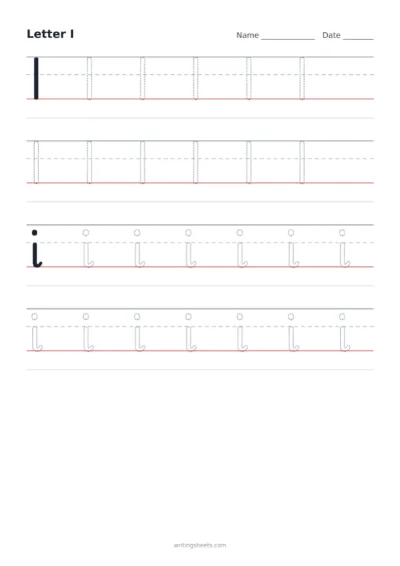
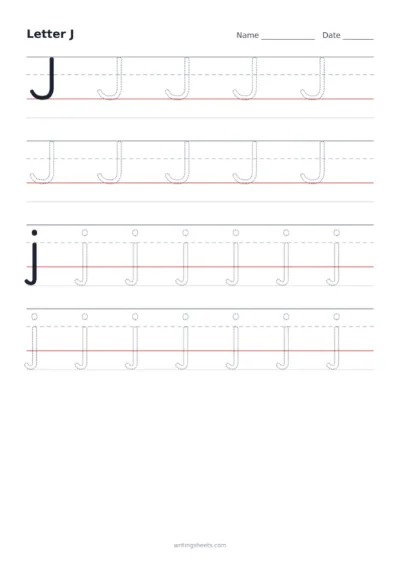
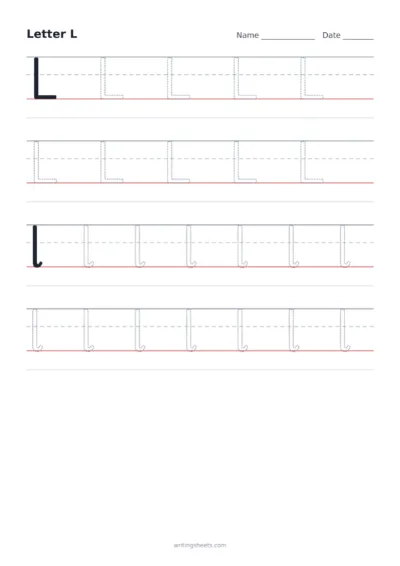
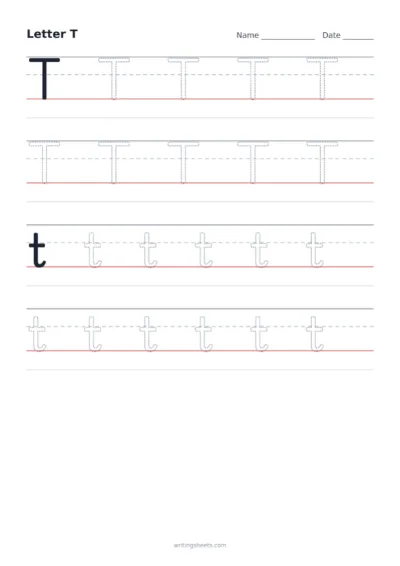
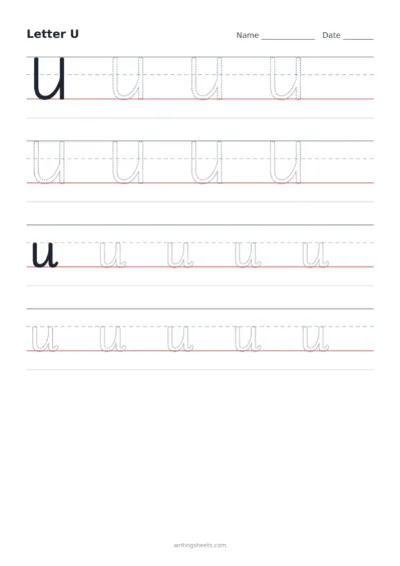
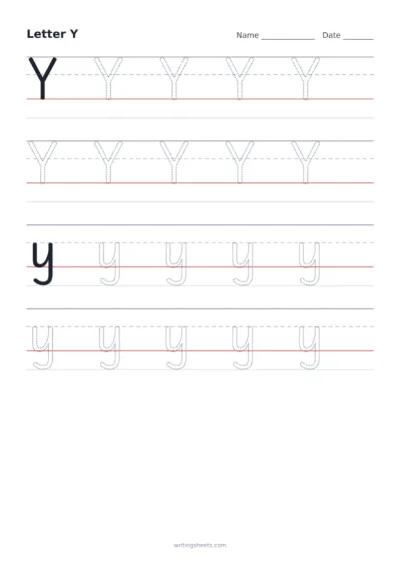
| Long ladder | l, i, t, u, j, y | At the top (the dot of i and j comes last), straight down |
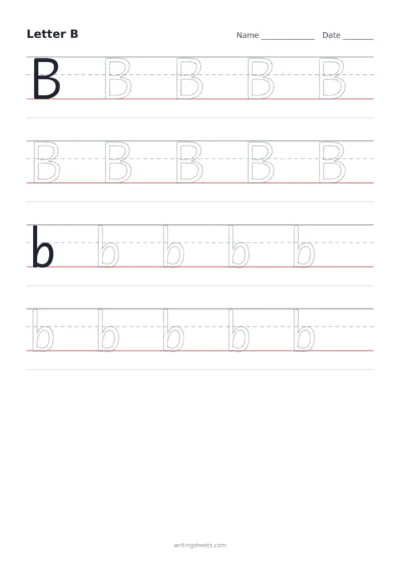
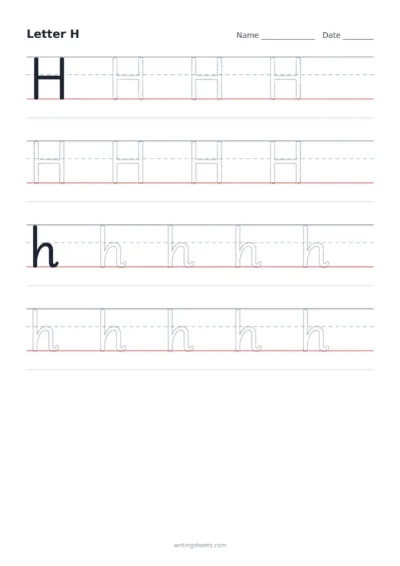
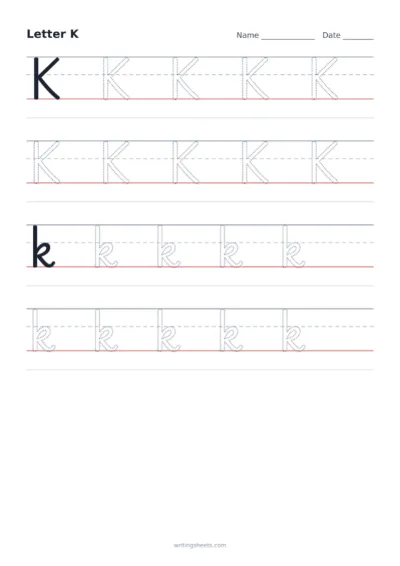
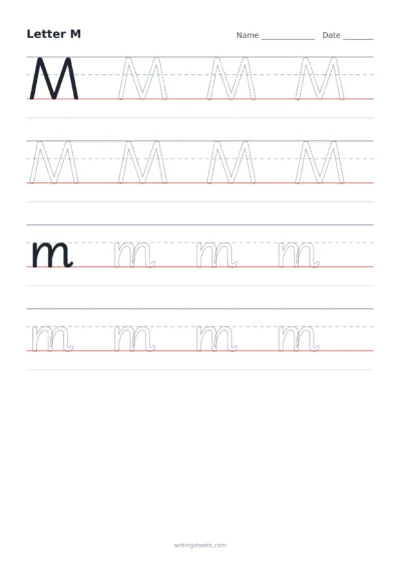
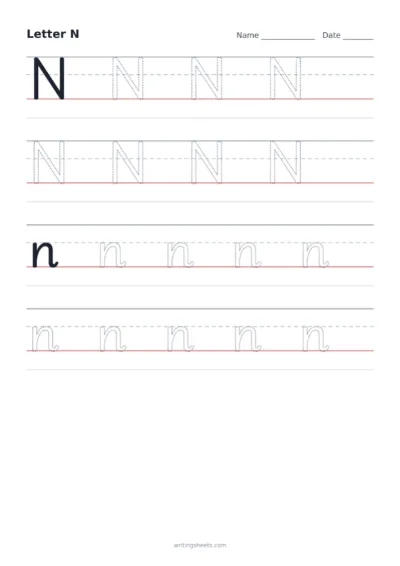
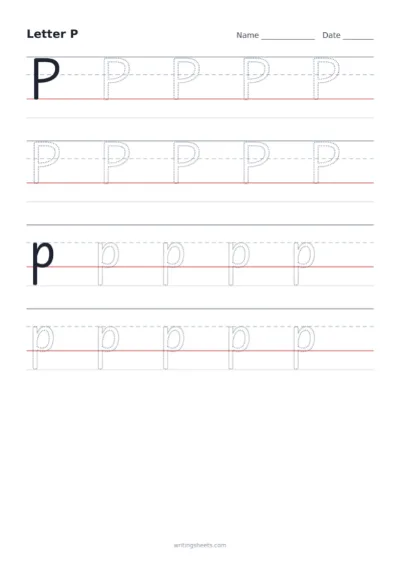
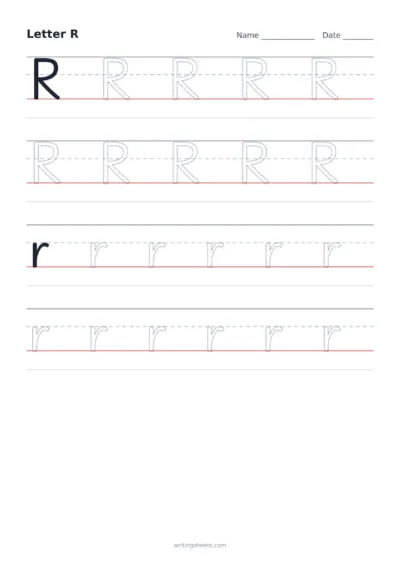
| One-armed robot | r, b, n, h, m, k, p | At the top, down, then back up and over |
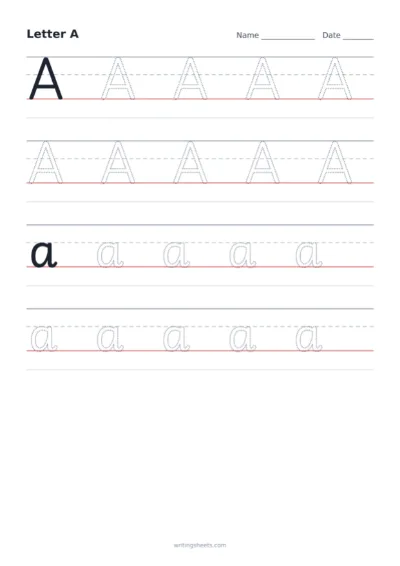
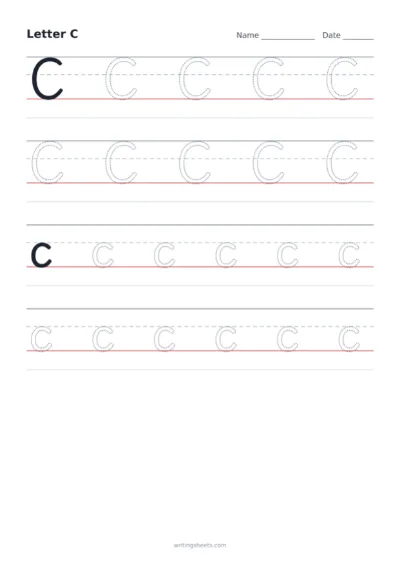
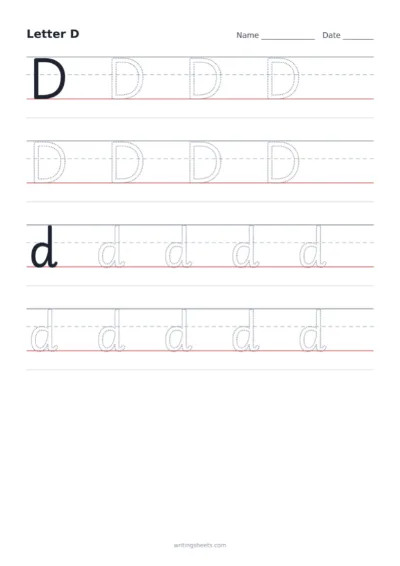
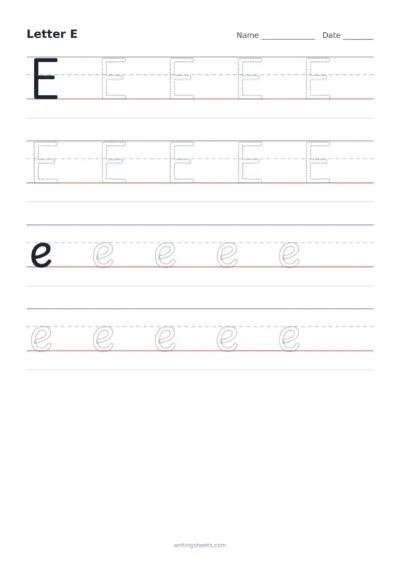
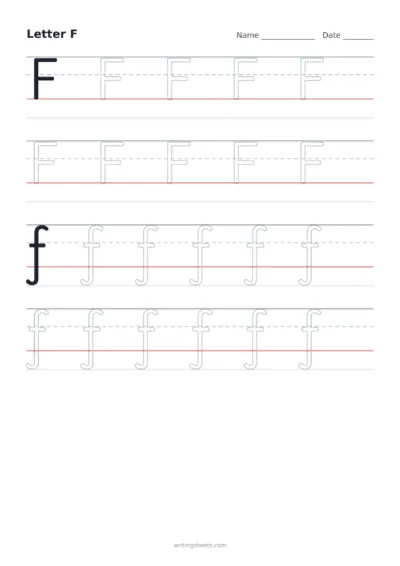
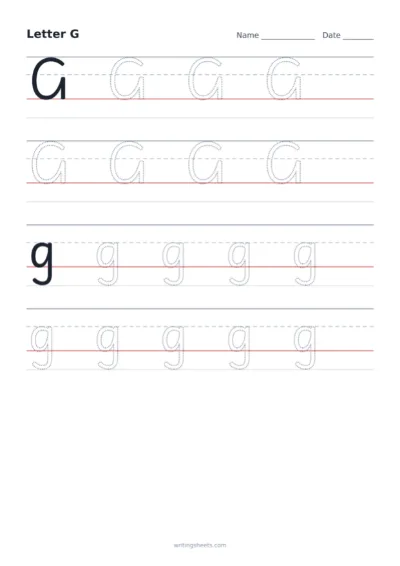
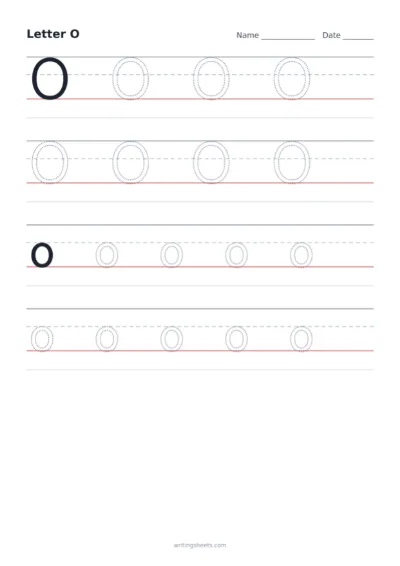
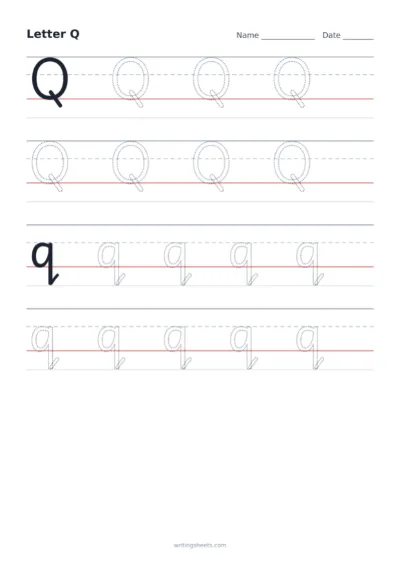
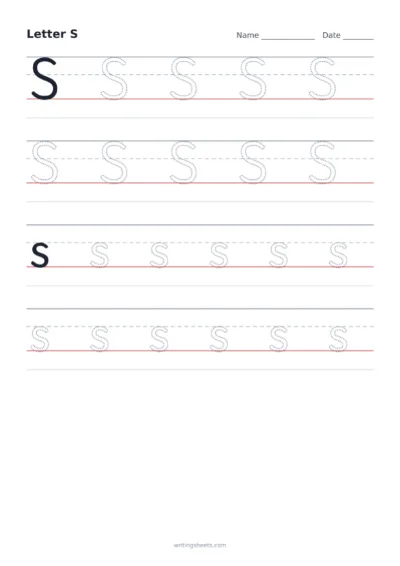
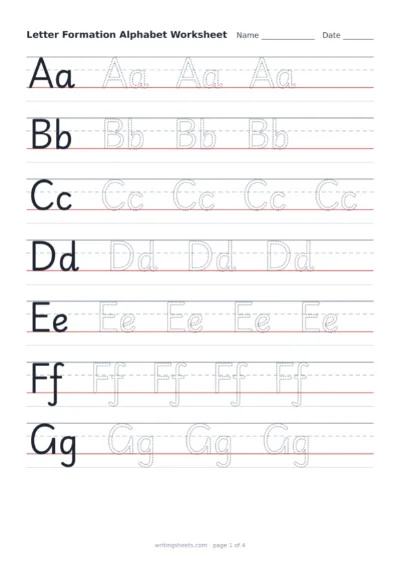
| Curly caterpillar | c, a, d, o, s, g, q, e, f | Just below the top of a c, curving back to the left (e starts in the middle) |
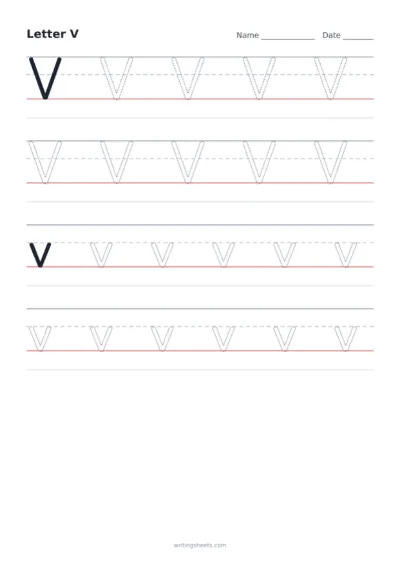
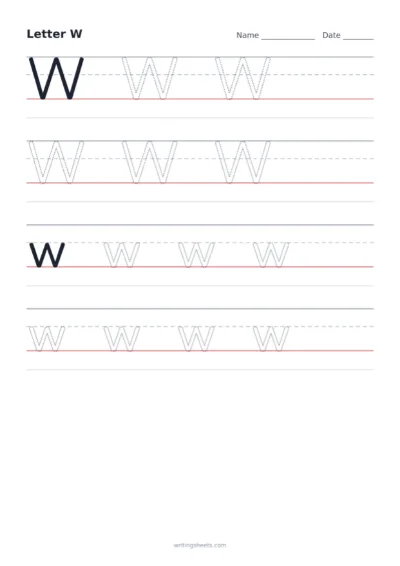
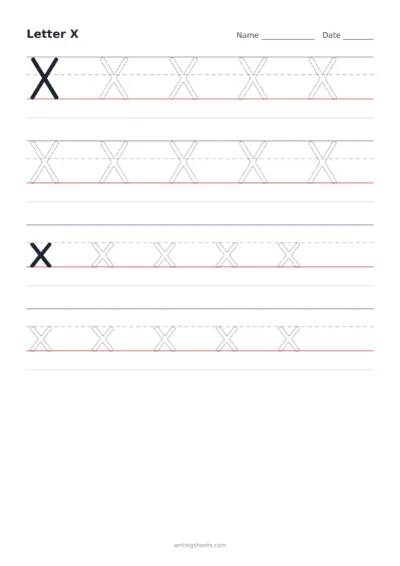
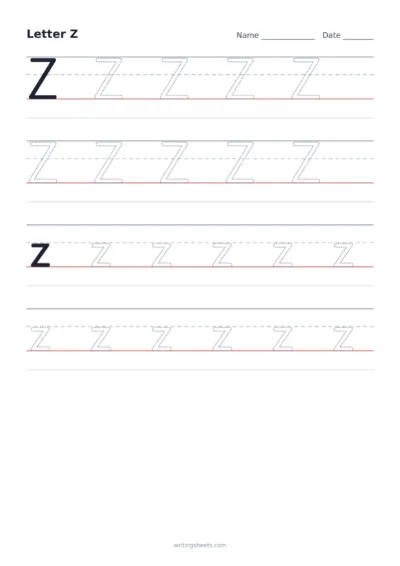
| Zigzag monster | z, v, w, x | At the top, with straight diagonal lines |
Teaching a family at a time means one starting movement covers several letters. The curly caterpillar family matters most: a, d, g, o and q all start with the c, and if that c starts in the wrong place, every one of them goes wrong.
Common Formation Mistakes
- Starting at the bottom: letters drawn from the baseline up are slow, and they can't be joined later.
- Building letters from pieces: an a drawn as a circle with a separate stick, instead of one movement.
- b and d mixed up: b is a ladder letter (down, then the bump), d is a caterpillar letter (the c first, then up and down).
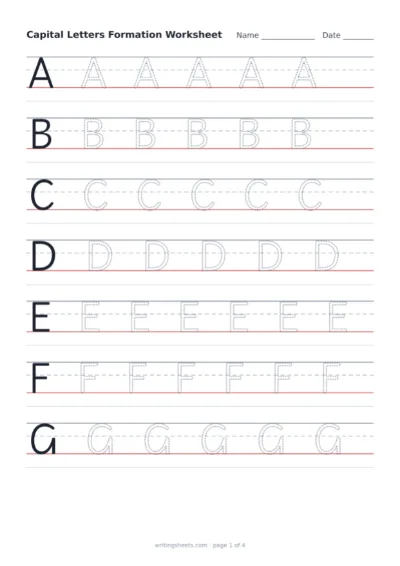
- Capitals mid-word: children often use capital B, D and N inside words. Practise the lower-case letter on its own.
Year 1 and Formation
The National Curriculum asks Year 1 children to form lower-case letters in the correct direction, starting and finishing in the right place, and to form capital letters and the digits 0 to 9. The sheet covers the letters; for digits, see number tracing and choose "School Print".
One Letter at a Time
To practise a single letter, choose "One letter" in the maker and pick it: the sheet has the capital and small letter to trace, and you can add words that use it. When the letters are secure, move on to precursive and then joined handwriting.